
Computer Data Recovery Services
If your desktop will not boot, cannot detect its storage drive, or repeatedly displays Windows startup errors, do not assume the files are gone. The problem may be the drive itself, but it can also originate with the motherboard, Windows, a damaged file system, or another component preventing access to the data.
LapFix provides computer data recovery for desktop PCs, gaming computers, and business workstations. Common cases include failed hard drives and SSDs, motherboard damage, Windows boot problems, file-system corruption, and accidental formatting. Every case begins with an in-house diagnostic to identify the source of the failure before recovery is attempted. This is important because repeatedly powering on a failing drive or using the wrong recovery software can cause additional damage and reduce the chances of recovering the files.
Our engineers work with 3.5-inch hard drives, SATA SSDs, M.2 and NVMe SSDs, and desktop computers containing multiple internal drives. The recovery process is based on the drive’s actual condition—not a one-size-fits-all procedure.
Customers in Alexandria, Northern Virginia, Washington, DC, and nearby Maryland can bring their computer or storage device directly to our Alexandria service center. We also provide nationwide mail-in data recovery for customers throughout the United States.
Advanced Desktop Computer Data Recovery
Desktop computers often store years of important documents, family photos, business records, and large media files across one or more storage drives. Unlike laptops, desktop systems frequently include multiple hard drives, high-capacity SSDs, custom hardware configurations, and expandable storage, making every recovery case unique. Hardware failures, Windows startup problems, power surges, failed updates, accidental formatting, and storage corruption can all prevent access to valuable data—even when the storage device itself has not completely failed.
Advanced data recovery from Dell, HP, Lenovo, ASUS, Acer, MSI, Alienware, CyberPowerPC, iBUYPOWER, and custom-built desktop computers used in homes, businesses, and professional workstations. Our engineers work with 3.5-inch desktop hard drives, SATA hard drives, SATA SSDs, M.2 SSDs, NVMe SSDs, and systems with multiple internal storage devices. Whether your computer no longer boots, displays BIOS errors, fails to detect a drive, or experiences motherboard or power supply failure, we carefully diagnose the problem before determining the safest recovery method.
Many desktop computers contain years of irreplaceable data, making it important to avoid repeatedly restarting the system or running repair utilities that can overwrite damaged file systems. Every recovery at LapFix is performed in-house using professional diagnostic equipment and advanced recovery techniques designed to maximize the chances of successfully recovering your files while protecting the integrity of your storage device.
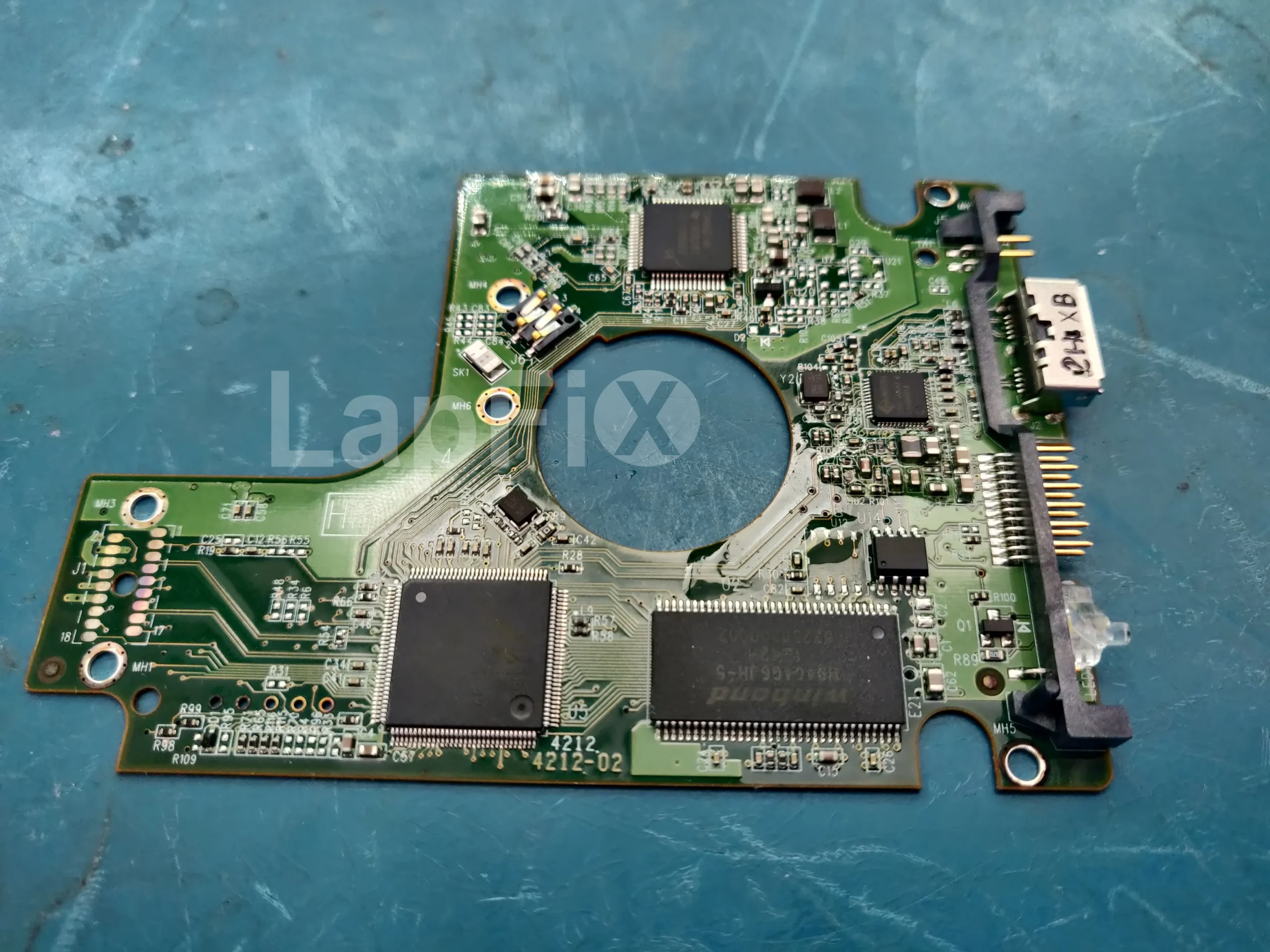
Comprehensive Computer Data Recovery Solutions
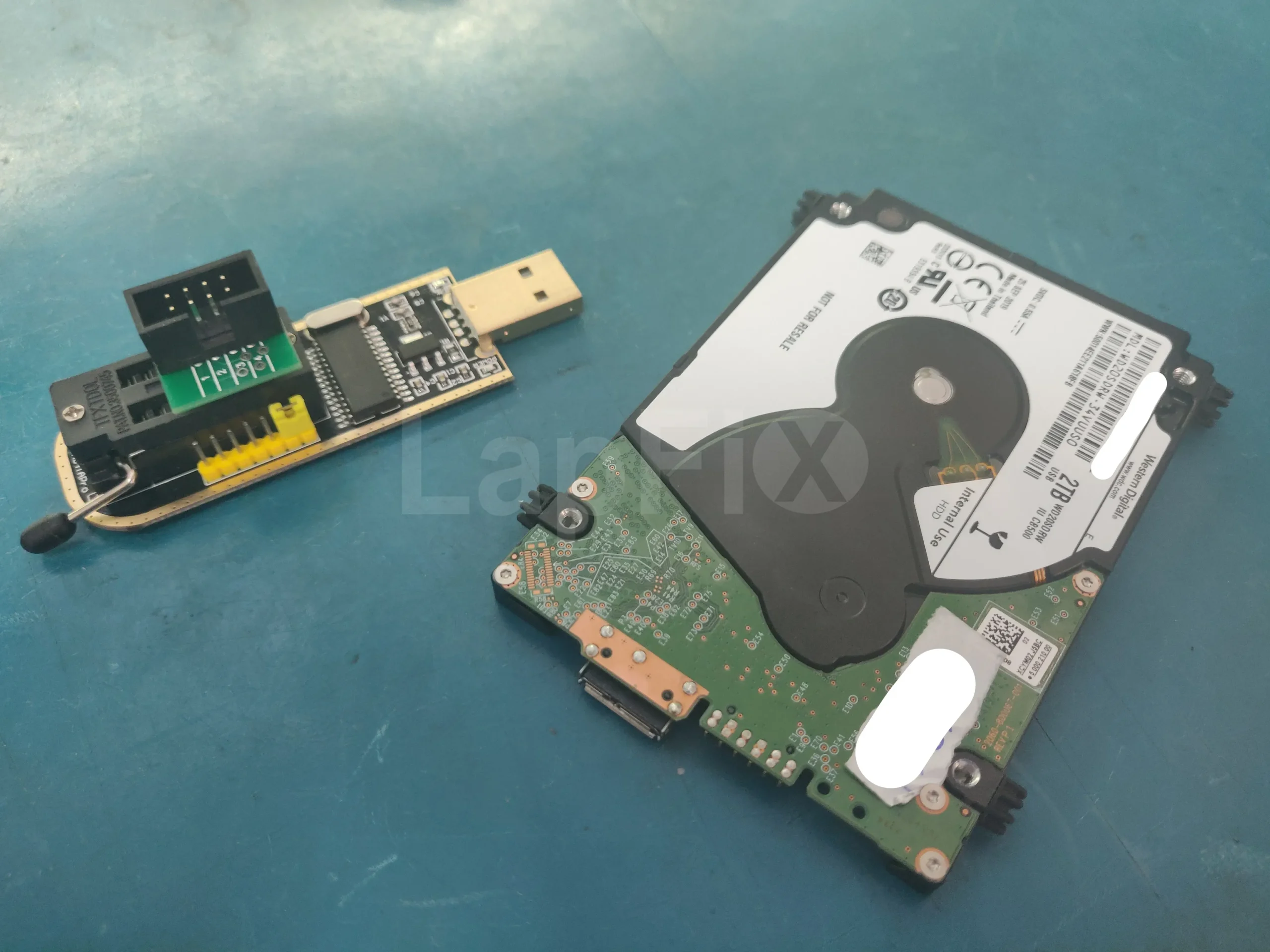
RAID Data Recovery
Recover critical business data from failed RAID 0, RAID 1, RAID 5, RAID 6, and RAID 10 storage arrays.
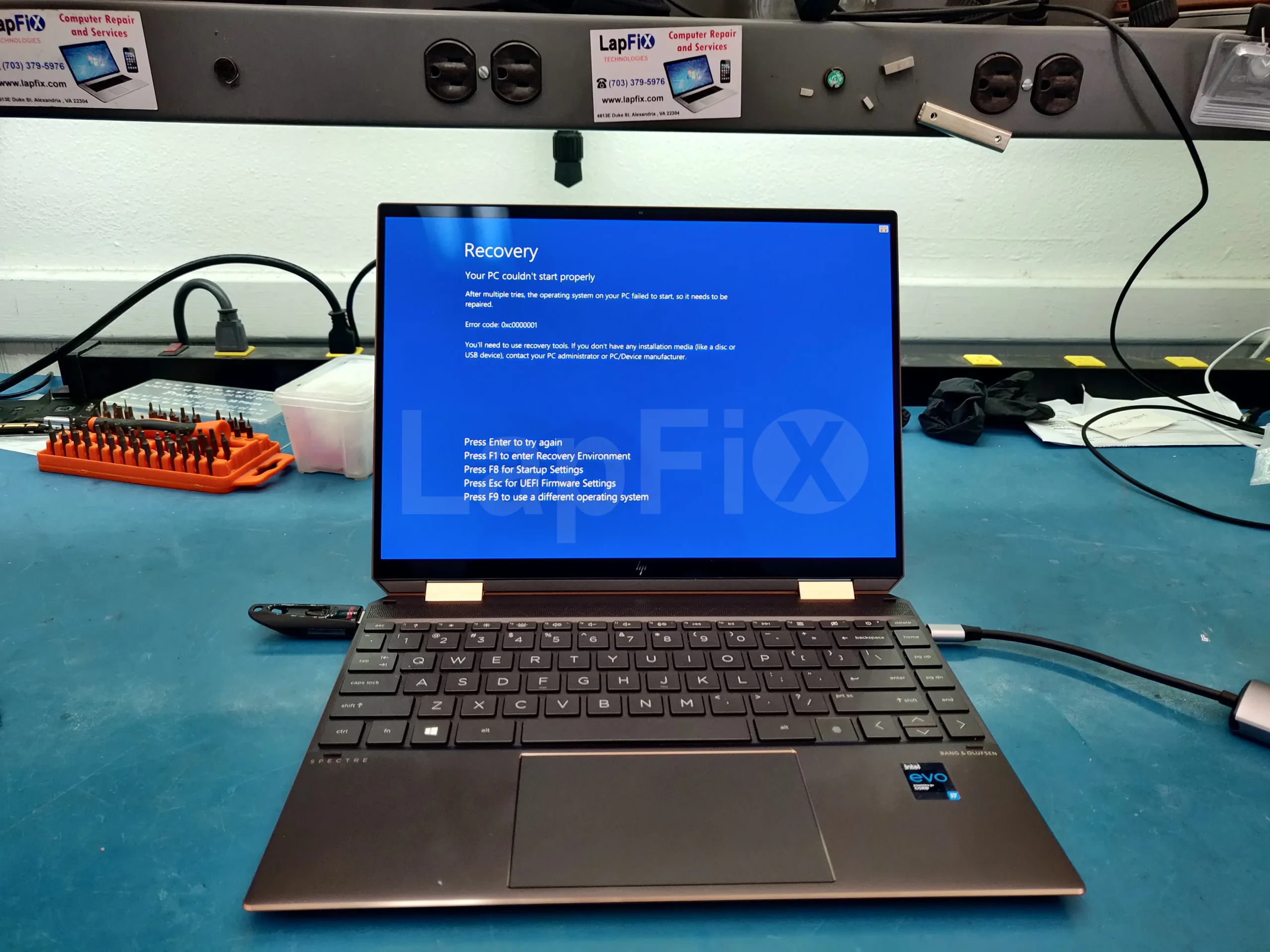
Server Data Recovery
Professional recovery for Windows and Linux servers affected by hardware failure, RAID corruption, or operating system crashes.
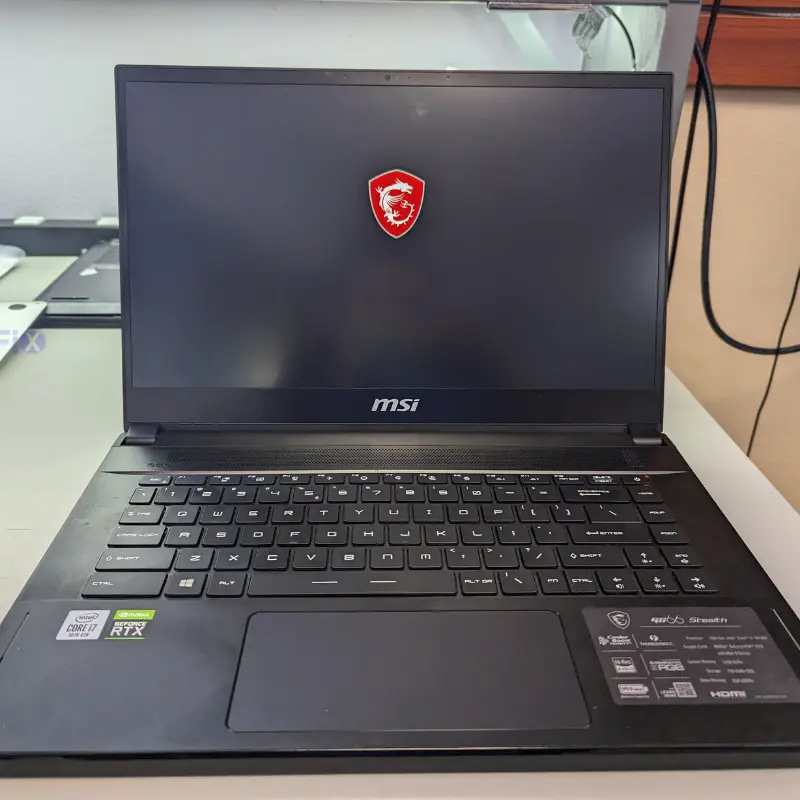
External Hard Drive Recovery
Recover files from external USB hard drives that are not detected, clicking, corrupted, or accidentally formatted.
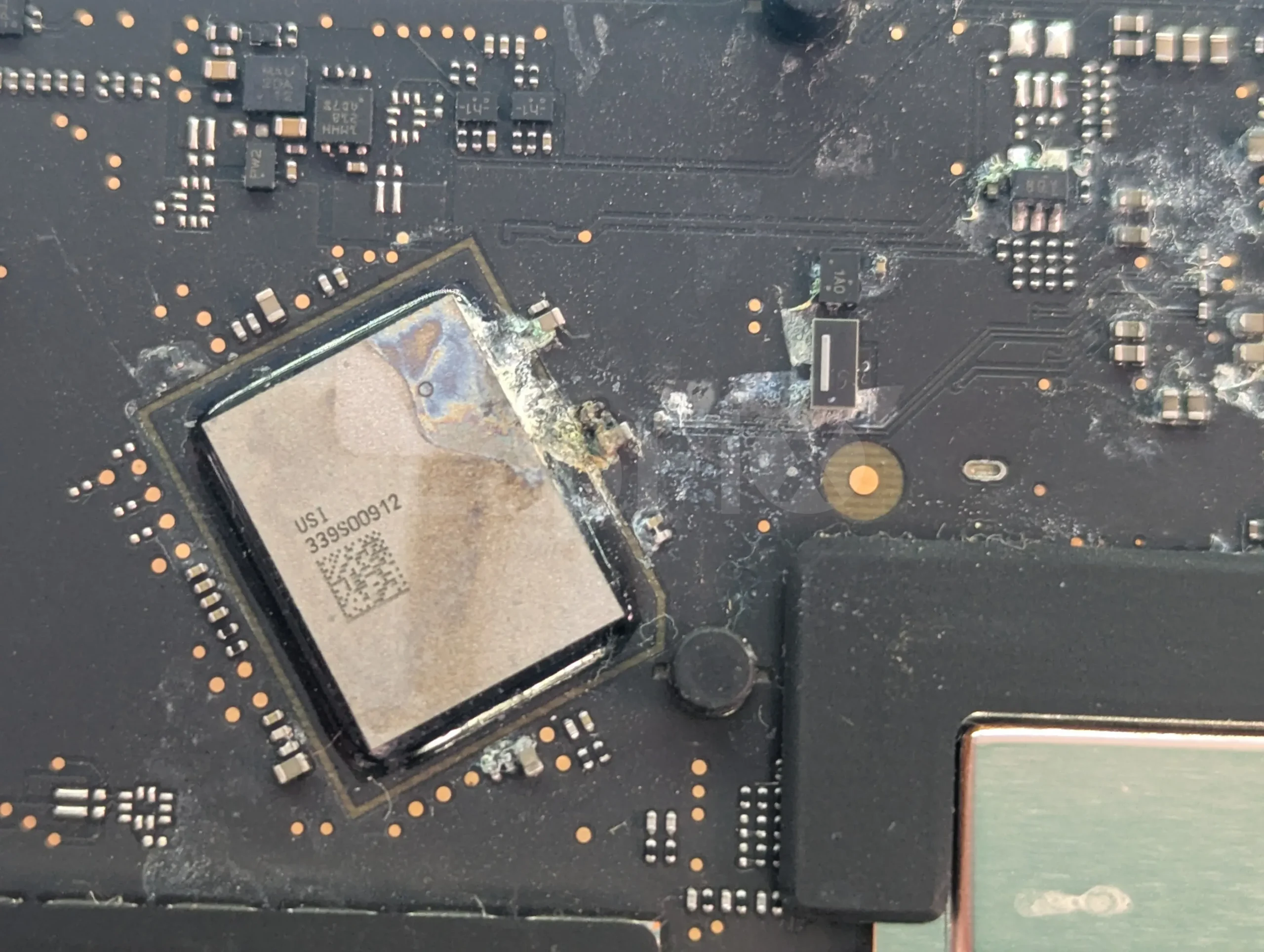
Hard Drive Recovery
Recover data from failed desktop hard drives with mechanical damage, firmware problems, bad sectors, or file system corruption.
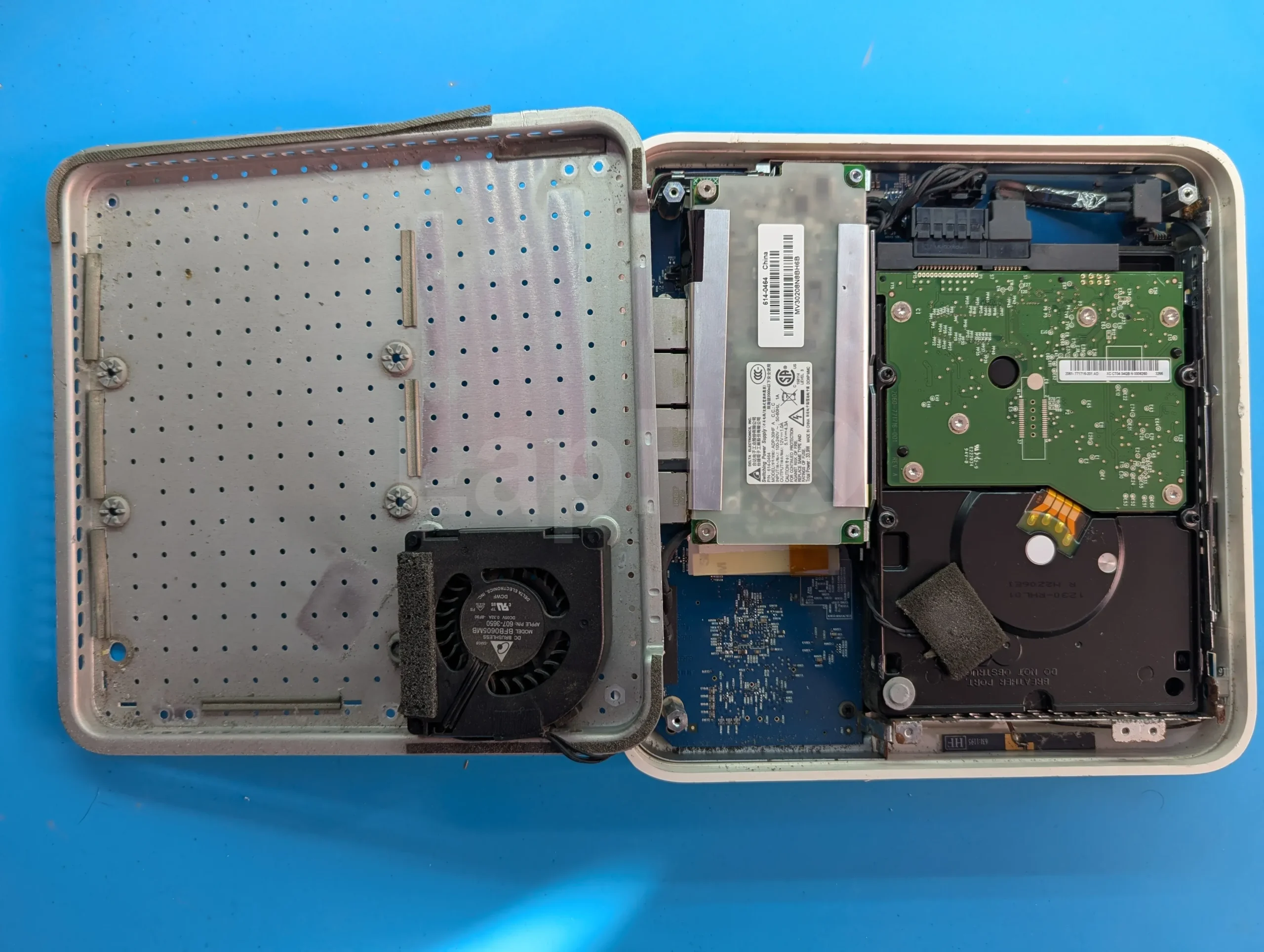
SSD Data Recovery
Recover files from desktop SATA, PCIe, and NVMe SSDs affected by firmware failure, electronic damage, or controller issues.
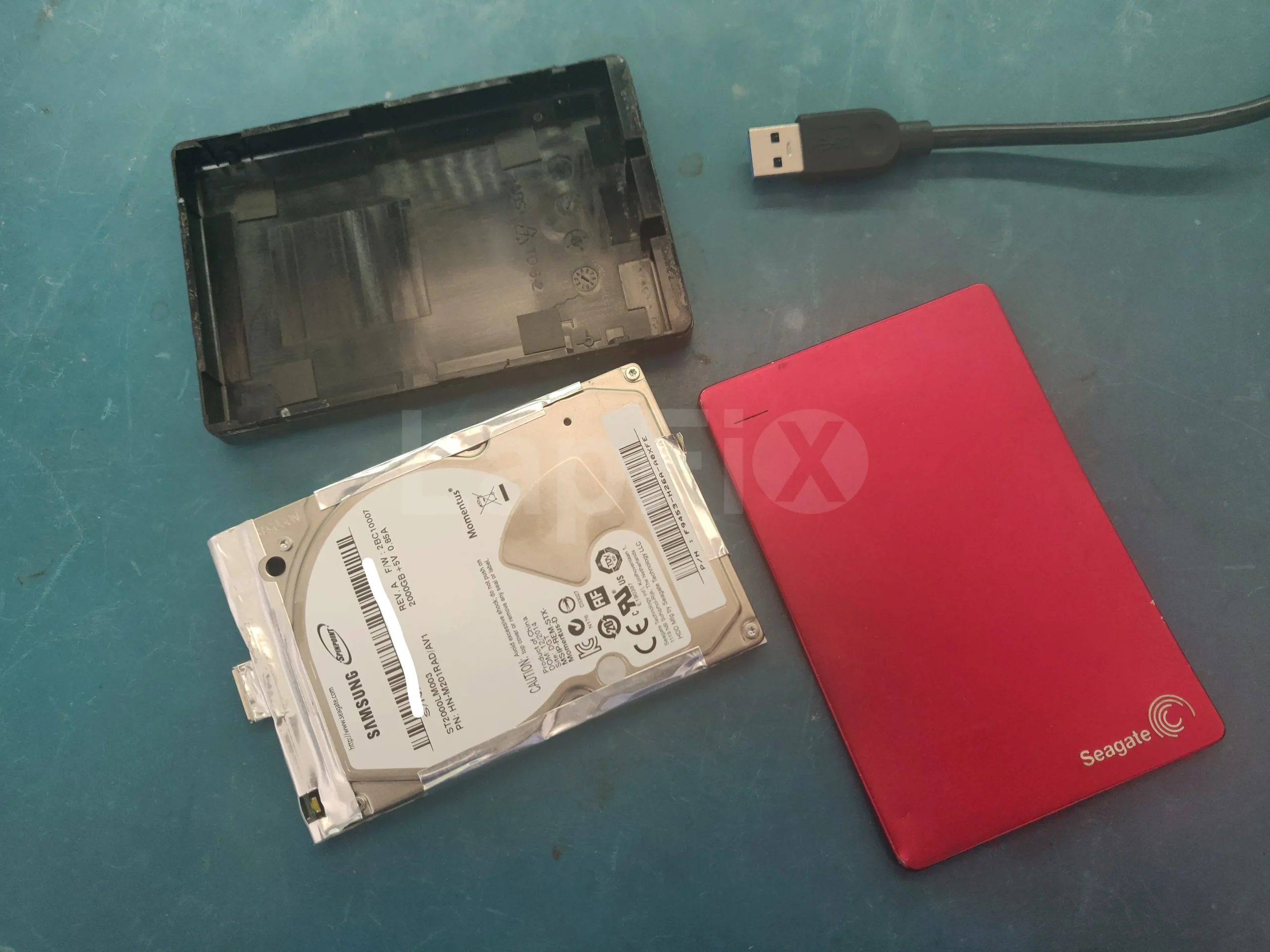
NAS Data Recovery
Recover business and personal data from Synology, QNAP, WD, and other NAS systems after RAID failure or accidental deletion.
What Causes Data Loss on a Computer?
A desktop PC, gaming computer, or business workstation that won’t boot, freezes on startup, or stops recognizing its hard drive doesn’t always mean the drive has failed. Sometimes it’s a Windows or BIOS issue and the data is still sitting there untouched. Other times the drive itself is failing. The only way to know for sure is to diagnose it properly, and that’s the first thing we do with every computer data recovery case that comes in.
The most common causes we see are hard drive failure, SSD failure, motherboard problems, file system corruption, power surges, failed Windows updates, and accidental formatting. If your computer is showing signs of any of these, stop using it. Restarting it repeatedly, reinstalling Windows, running CHKDSK, or trying recovery software yourself can overwrite data or push a failing drive closer to total failure.
Our computer data recovery service covers hard drives and SSDs across all major brands, including Western Digital, Seagate, Samsung, and Crucial, along with RAID arrays, NAS and server drives, BitLocker-encrypted laptops, and external and flash storage that’s no longer recognized by Windows or macOS. Once we know what’s actually wrong with the device, we choose the recovery approach that gives your files the best chance without putting the drive under more stress than it can handle.
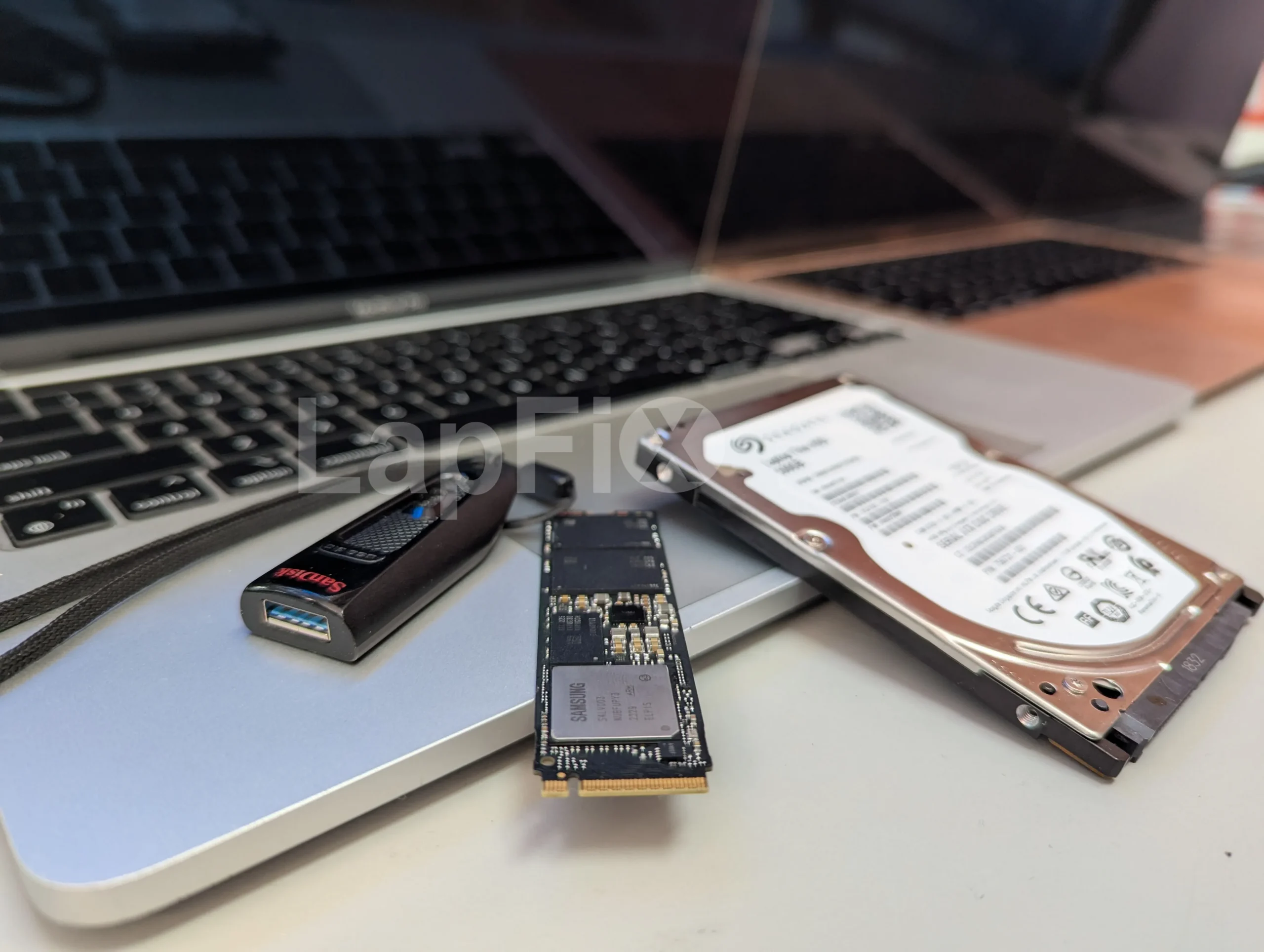
Why Choose LapFix for Data Recovery?
Experienced Data Recovery Engineers
Your case is evaluated by engineers who work with failed hard drives, SSDs, non-booting systems, motherboard problems, and damaged file systems.
Recovery Performed
In-House
Diagnostics and recovery work are completed at our Alexandria lab rather than being sent to an unknown third-party shop.
Walk-In and Nationwide Service
Visit our Alexandria service center from Northern Virginia, Washington, DC, or nearby Maryland, or use our nationwide mail-in service from anywhere in the United States.
What Our Customers Say About LapFix
Customers from Alexandria and the surrounding region, as well as clients nationwide across the US using our secure mail-in service, trust LapFix for computer repair and data recovery when important files are no longer accessible.





From start to finish, the communication was great, the turnaround time was quick, the customer service and the price was outstanding. They kept me updated along the way and made sure everything was working properly before returning my laptop.
I've been using my MacBook since getting it back, and it's running perfectly. It's clear they genuinely care about their customers and take pride in the quality of their work.
Thank you again, Eric, and the entire LapFix team for getting my laptop back up and running. I'll definitely be recommending you to anyone who needs computer repairs!

I had checked with Best Buy and a few other places, but no one was able to help. I found Lapfix by chance and decided to try one last time. They looked at both laptops, explained what could be done, and successfully repaired both.
The Lenovo screen repair cost less than $300 and was completed in less than a week. For the Microsoft Surface, they also had to work on the software and chip-related issues, and the total was still less than $800. That repair took less than two weeks.
Now both laptops are working perfectly, and I’m very happy with the service. The work was professional, honest, and technically solid. As someone with a background in IT and cybersecurity, I was genuinely impressed.
If you think your laptop cannot be fixed, I recommend checking with them first before spending money on a new one.













I brought it to LapFix and Eric was able to fix the motherboard and repair the BIOS so it could finally boot. I am so unbelievably grateful to Eric and the team at Lapfix for saving this important piece of hardware for my business. Thank you so much!! Eric is a wizard!


Mason completed the work sooner than expected and saved me the considerable replacement cost of a laptop that had become unusable.
I would highly recommend this business. They are professional, provide quick responses to communications, and solved a problem that other repair services I consulted were unable to address.










I like that the guys cracking open machines appear to be the same ones who meet you at the front desk.
Computer Data Recovery FAQ – Common Questions Answered
Can you recover data from a computer that won’t turn on?
Yes. We can extract data directly from your storage device even if the computer won’t boot.
Do you recover data from both HDD and SSD drives?
Absolutely. We handle mechanical HDD failures and complex SSD/NVMe corruption cases.
Is my data kept private during the recovery process?
Yes. LapFix follows strict confidentiality and uses secure, read-only extraction methods.
Can you recover data after a Windows or macOS crash?
Yes — OS-level corruption, blue screens, and macOS boot loops are all cases we handle regularly.
How does the computer data recovery process work?
Every case starts with a full diagnostic to pin down exactly what’s failing. From there, we walk you through the condition of your drive, the recovery approach we recommend, and a cost estimate — all before any recovery work begins.
What should I do if my laptop suddenly stops recognizing the hard drive or SSD?
Shut the computer down right away and resist the urge to keep restarting it — repeated attempts can push a struggling drive closer to total failure. From there, a proper diagnostic is the only reliable way to tell whether the storage device, the motherboard, or something else is behind the problem.
Can you recover files from a computer with a failed motherboard?
Usually, yes. A dead motherboard doesn’t automatically mean your files are gone — we run diagnostics to determine whether the storage device can be accessed directly, or whether it needs a more involved recovery process first.
Can You Recover Data from a Computer After Windows Is Reinstalled?
In many cases, yes. It comes down to how much the drive has been used since the reinstall — the less it’s been touched, the better your odds of getting documents, photos, and videos back intact. We work with traditional HDDs as well as SATA, NVMe, and M.2 SSDs. If this just happened to you, stop using the computer immediately and don’t install anything new or save additional files.
Can You Recover Files After Formatting a Computer?
Often, yes — though it depends on the type of format that was run, the kind of drive involved, and whether anything’s been written over the original data since. We regularly pull files back from formatted desktops, external drives, SSDs, flash drives, and memory cards. If this happened to you, hold off on reinstalling anything or copying new files until the drive’s been properly evaluated.
Can Data Be Recovered from a Dead SSD?
Frequently, yes — though SSD recovery works very differently than recovering a mechanical hard drive. Failures usually trace back to a bad controller, corrupted firmware, power surge damage, or degraded NAND flash memory. We work on SATA, NVMe, PCIe, and M.2 SSDs from desktops, gaming rigs, and workstations alike. If your SSD’s stopped showing up or your computer won’t boot, avoid repeatedly power-cycling it or attempting a DIY fix — both can shrink your recovery odds.
Can You Recover Data from a BIOS Failure?
Yes, in most cases. A BIOS failure keeps the computer from starting, but that’s not the same as losing your data. We first figure out whether the root cause is the motherboard, the BIOS firmware itself, a power delivery issue, or the storage device — many BIOS problems can be resolved without touching what’s already stored on the drive.
Can You Recover Data from a Failed Windows Update?
Yes, this is a common and recoverable scenario. A failed update can trap a computer in a boot loop or throw startup errors, but the files underneath are usually still intact. We handle recovery from update failures, OS corruption, damaged file systems, and boot configuration errors — just avoid reinstalling Windows or taking other steps that might overwrite what’s already there.
Recover Your Computer Data Today – Local & Nationwide Service
Don’t let data loss disrupt your life or business. At LapFix, our certified experts specialize in fast, secure, and reliable computer data recovery services. Whether you’re in Virginia, DC, Maryland, or anywhere nationwide, we can bring your lost files back.
Call us at (703) 379-5976 or use our Mail-in Data Recovery Service to get started today.