
Professional Data Recovery Services
Recover Lost Data from Hard Drives, SSDs, RAID, USB Flash Drives, SD Cards, MacBooks, iPhones & More
When a storage device fails, every situation is different. A hard drive that clicks requires a completely different recovery process than an SSD that suddenly disappears from the BIOS, a RAID array that goes offline, or a MacBook that no longer powers on after liquid damage. Before attempting any recovery, our engineers identify the exact cause of the failure and choose the safest recovery method based on the condition of the device.
At LapFix, we recover data from failed hard drives, SSDs, RAID systems, USB flash drives, memory cards, MacBooks, laptops, desktop computers, servers, and many other storage devices using specialized diagnostic equipment, firmware repair tools, and clean room procedures when mechanical work is required. Every recovery is performed in-house at our Alexandria, Virginia data recovery center by experienced engineers. Customers throughout Virginia, Maryland, and Washington, DC are welcome to visit our service center, while customers across the United States can take advantage of our secure nationwide mail-in data recovery service.
Whether the failure is caused by physical damage, electronic failure, firmware corruption, accidental formatting, file system corruption, encryption issues, or a device that simply no longer powers on, our engineers carefully evaluate the condition of the storage device before beginning any recovery. This allows us to choose the safest recovery method and avoid unnecessary risk to the original media.
Our goal is straightforward: recover as much of your data as the condition of the storage device allows while minimizing unnecessary risk during the recovery process. Every case begins with a thorough evaluation so we can determine what failed, explain the available recovery options, and provide realistic expectations before any recovery work begins.
Advanced Data Recovery Solutions for Every Storage Device
Modern storage devices have become increasingly complex. Traditional hard drives contain delicate mechanical components, SSDs rely on advanced flash memory controllers, RAID systems distribute data across multiple drives, and Apple devices use soldered SSDs with encryption technologies such as the Apple T2 Security Chip and Apple Silicon architecture. Recovering data from these devices often requires specialized equipment, board-level repair, firmware analysis, and years of technical expertise.
Whether your storage device has suffered physical damage, firmware corruption, accidental formatting, deleted partitions, bad sectors, power surge damage, motherboard failure, or file system corruption, our team carefully evaluates every recovery to determine the safest and most effective approach. Our goal is not simply to repair hardware but to recover the data that matters most while maintaining the highest standards of confidentiality and data integrity.
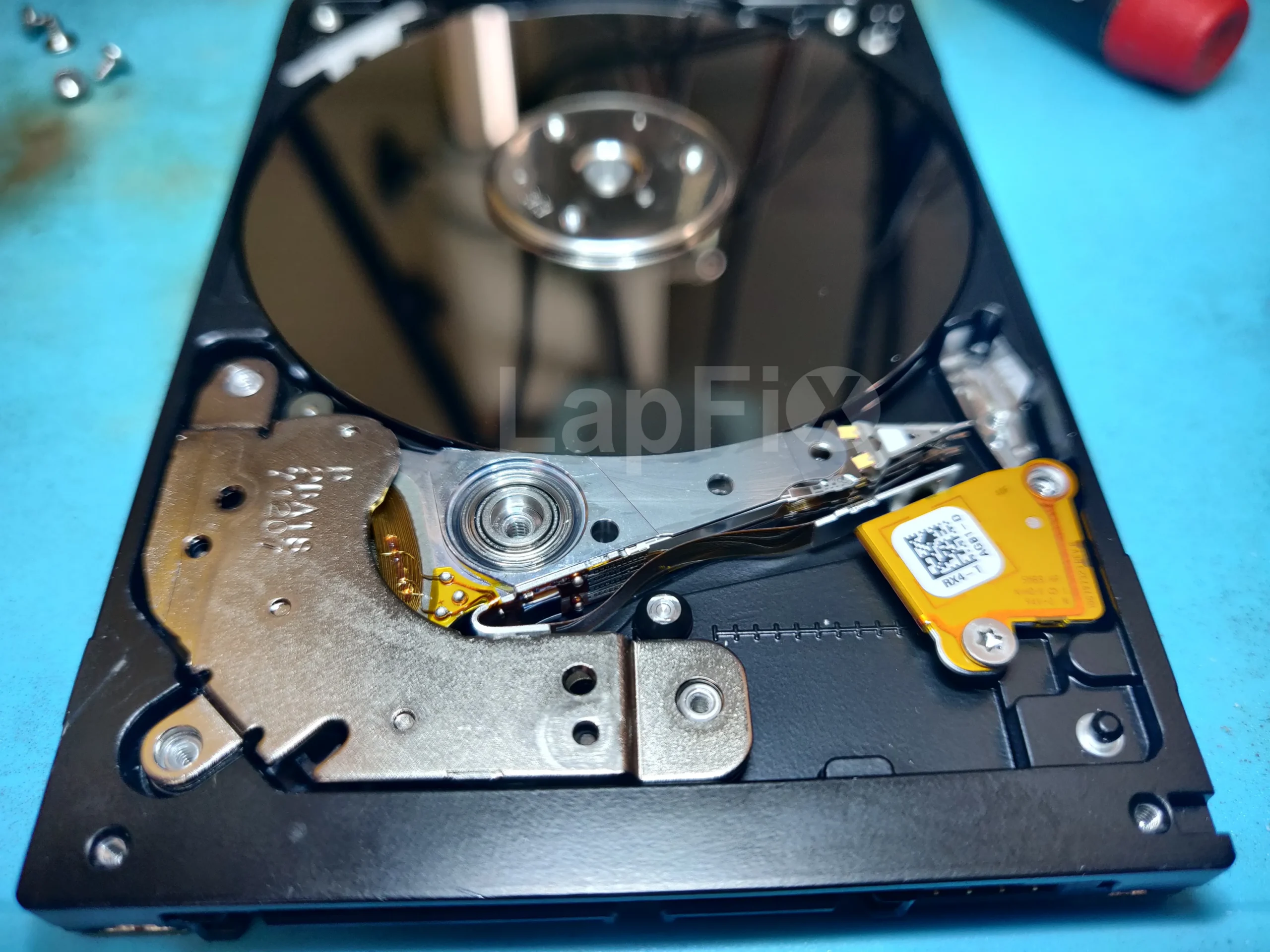
Storage Devices We Recover Data From
We provide professional data recovery services for virtually every type of digital storage device, from hard drives and SSDs to USB flash drives, SD cards, RAID systems, NAS devices, servers, and Apple storage. Select a category below to learn more about our specialized recovery services.
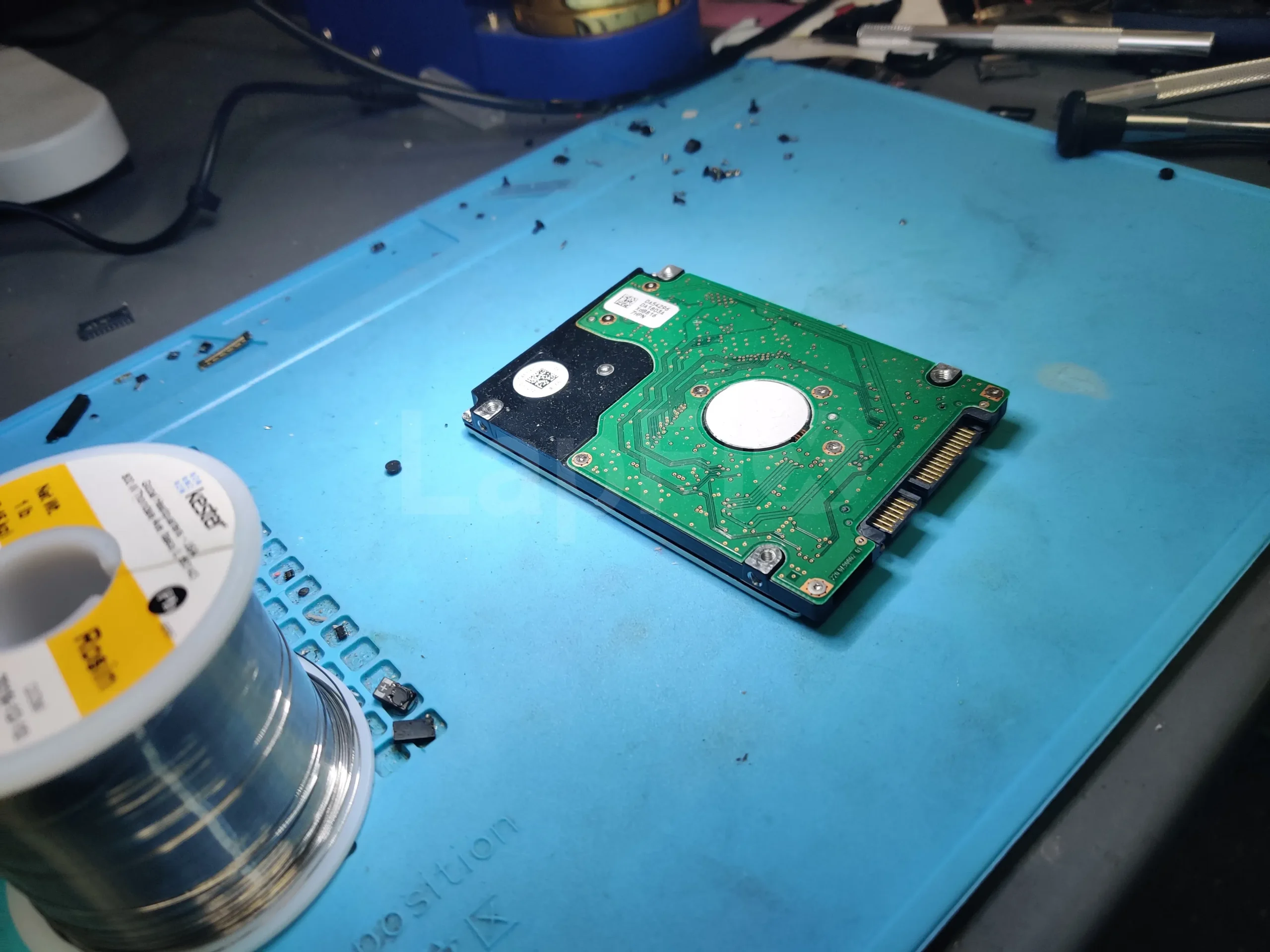
Hard Drive Recovery
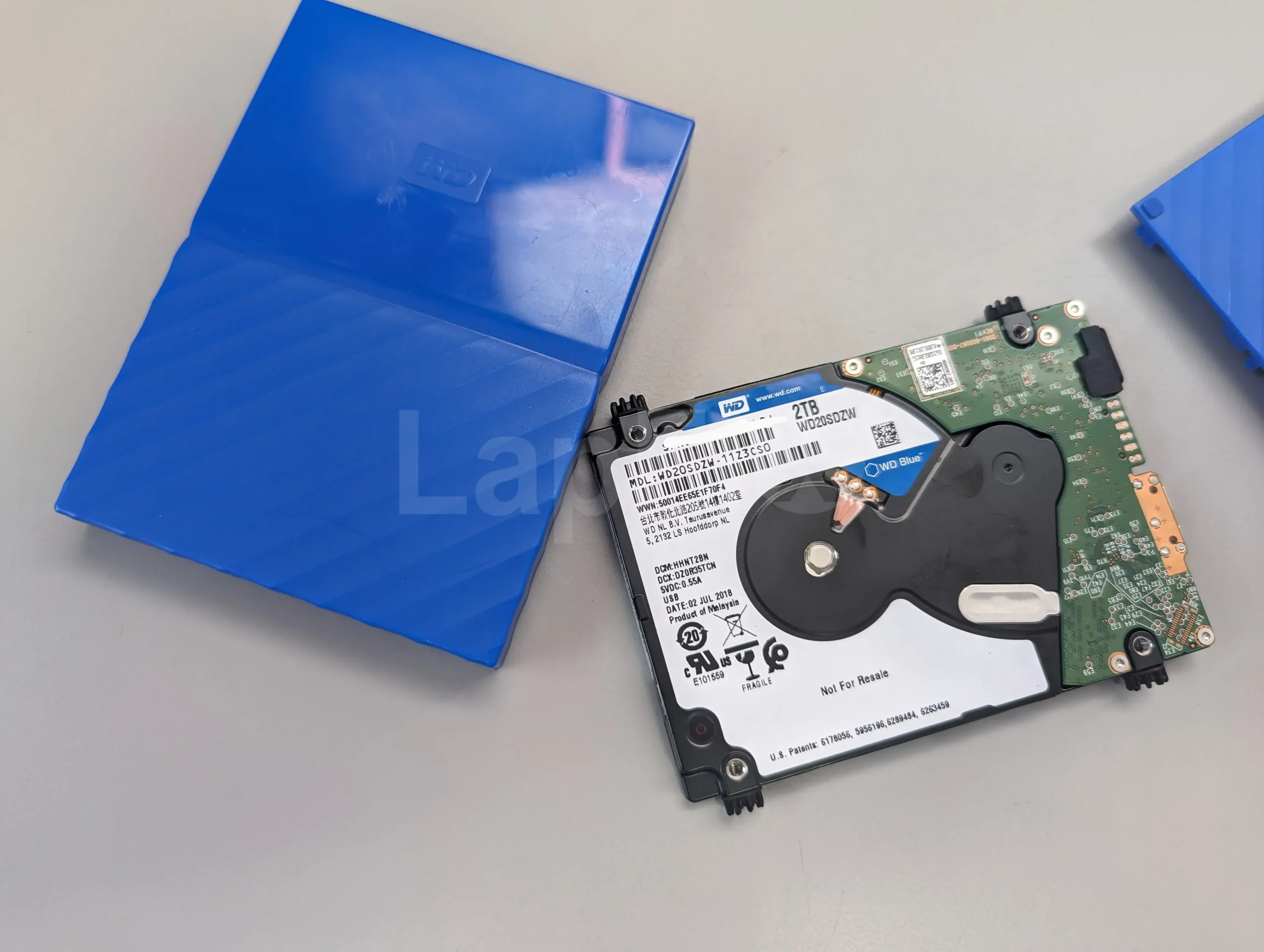
We recover data from internal and external hard drives manufactured by Western Digital, Seagate, Toshiba, HGST, Hitachi, and other major brands. This includes popular portable drives such as WD My Passport, WD My Book, Seagate Backup Plus, Seagate Expansion, Toshiba Canvio, LaCie Rugged, and G-Drive.

RAID Recovery
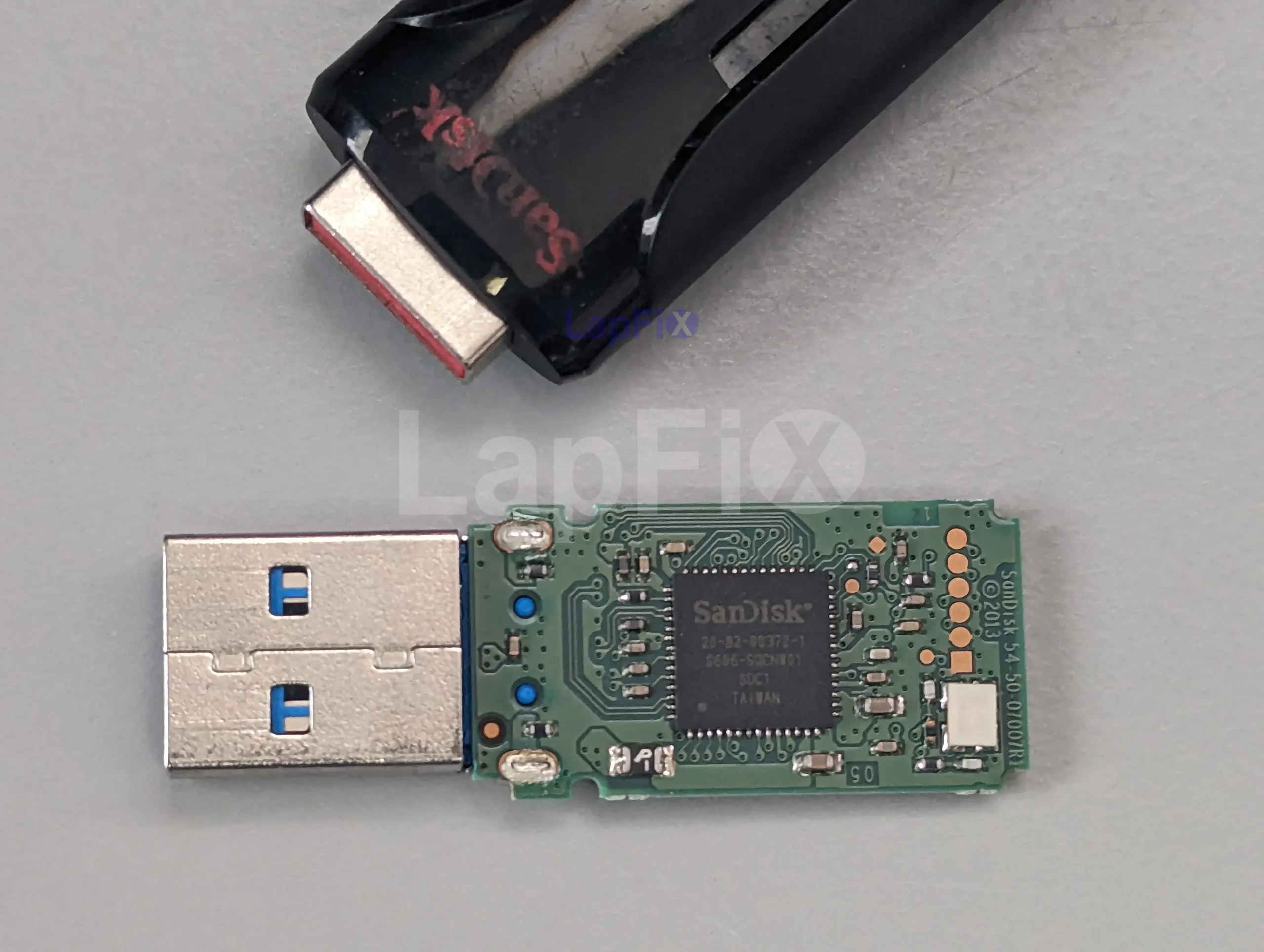
USB Flash Drive Recovery
Restore data from corrupted or physically broken USB drives, SD cards, and flash media.
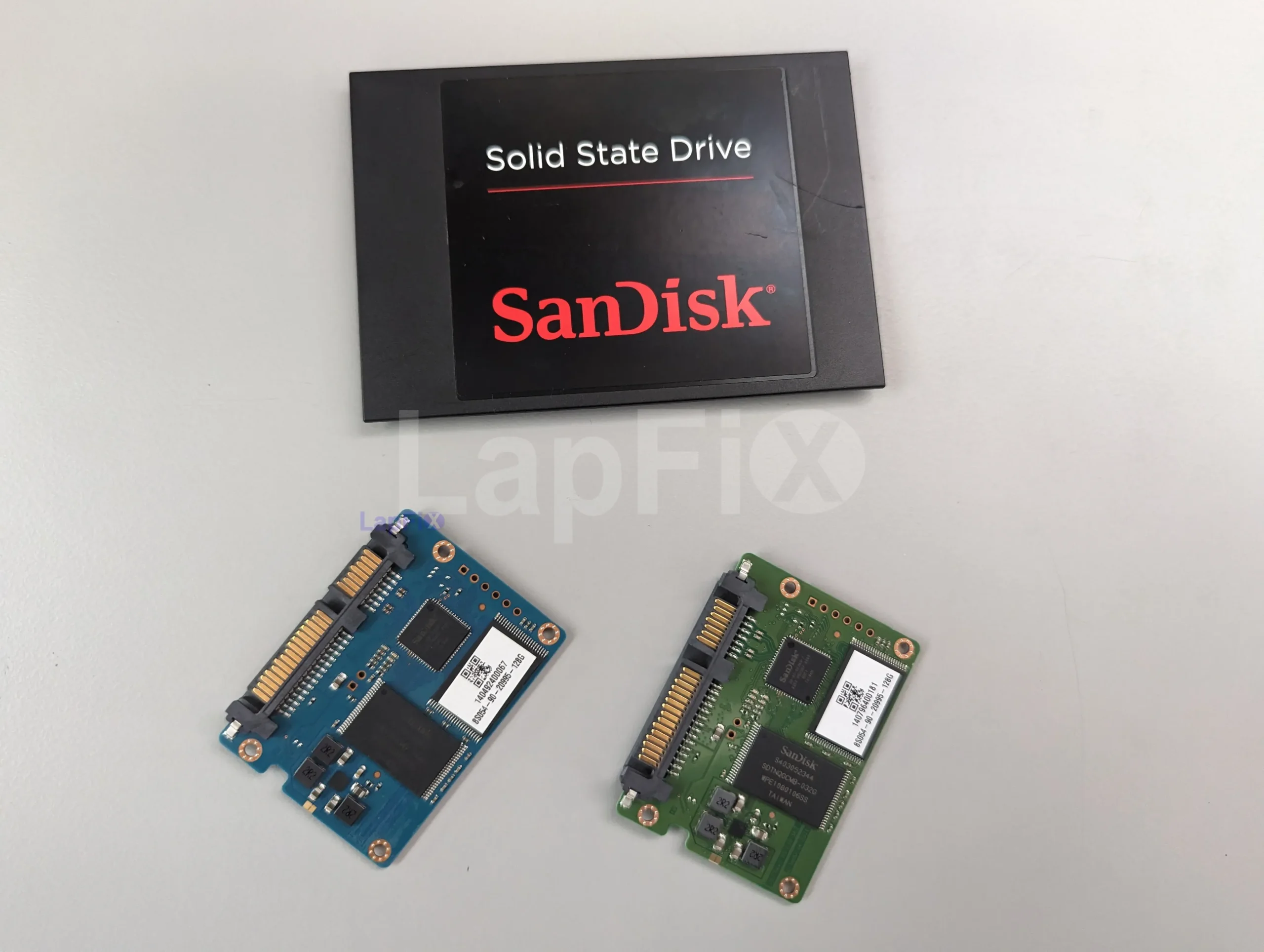
SSD Data Recovery
Our engineers recover data from SATA and NVMe SSDs manufactured by Samsung, Crucial, Kingston, SanDisk, WD, Intel, SK hynix, Corsair, and many others.

NAS Data Recovery
Memory Card Recovery

Server & Business Data Recovery
Apple Data Recovery
Secure recovery from SSD, HDD, and Fusion/RAID systems with full confidentiality.
Common Causes of Data Loss
Data loss can happen without warning, whether it’s caused by accidental deletion, physical damage, hardware failure, or software corruption. Every situation is different, and attempting DIY recovery or continuing to use a failing device can permanently reduce the chances of recovering your files.
At LapFix, we recover data from storage devices affected by a wide range of failures, including:
- Accidental file deletion or emptied Recycle Bin
- Formatted or reinstalled drives
- Corrupted partitions or RAW file systems
- Operating system crashes and boot failures
- Hard drives that click, grind, or no longer spin
- SSD controller, firmware, or electronic failures
- Failed RAID arrays and degraded NAS storage
- BitLocker and FileVault encrypted drive issues
- Virus, ransomware, and malware attacks
- Water damage, liquid spills, fire, power surges, and electrical damage
- Drives that are no longer detected by the computer
- Devices damaged after being dropped or physically impacted
Every failed storage device behaves differently. Before attempting recovery, we identify whether the failure is mechanical, electrical, firmware-related, logical, or caused by file system corruption. That diagnosis determines the recovery strategy and helps avoid unnecessary damage.
Featured Recovery Case
Recovering Critical Business Data from a Physically Damaged Hard Drive
One of our most challenging recovery cases involved a local business owner who arrived at our Alexandria, Virginia service center after an external hard drive had been accidentally dropped while it was connected to a computer. The drive immediately stopped responding and began making repetitive clicking sounds. It contained years of business documents, customer records, accounting files, engineering drawings, and irreplaceable family photos that had never been backed up.
The customer had already visited another repair shop where they were told the drive had likely suffered severe internal damage and that recovery was unlikely. Concerned about permanently losing the data, they brought the drive to LapFix for a second opinion.
Our engineers performed a detailed diagnostic evaluation and confirmed that the hard drive had suffered a mechanical failure. The read/write heads had been damaged during the impact, preventing the drive from safely accessing the magnetic platters where the data was stored. Continuing to power on the drive would have increased the risk of permanent platter damage, so no additional attempts were made to access it outside of our recovery lab.
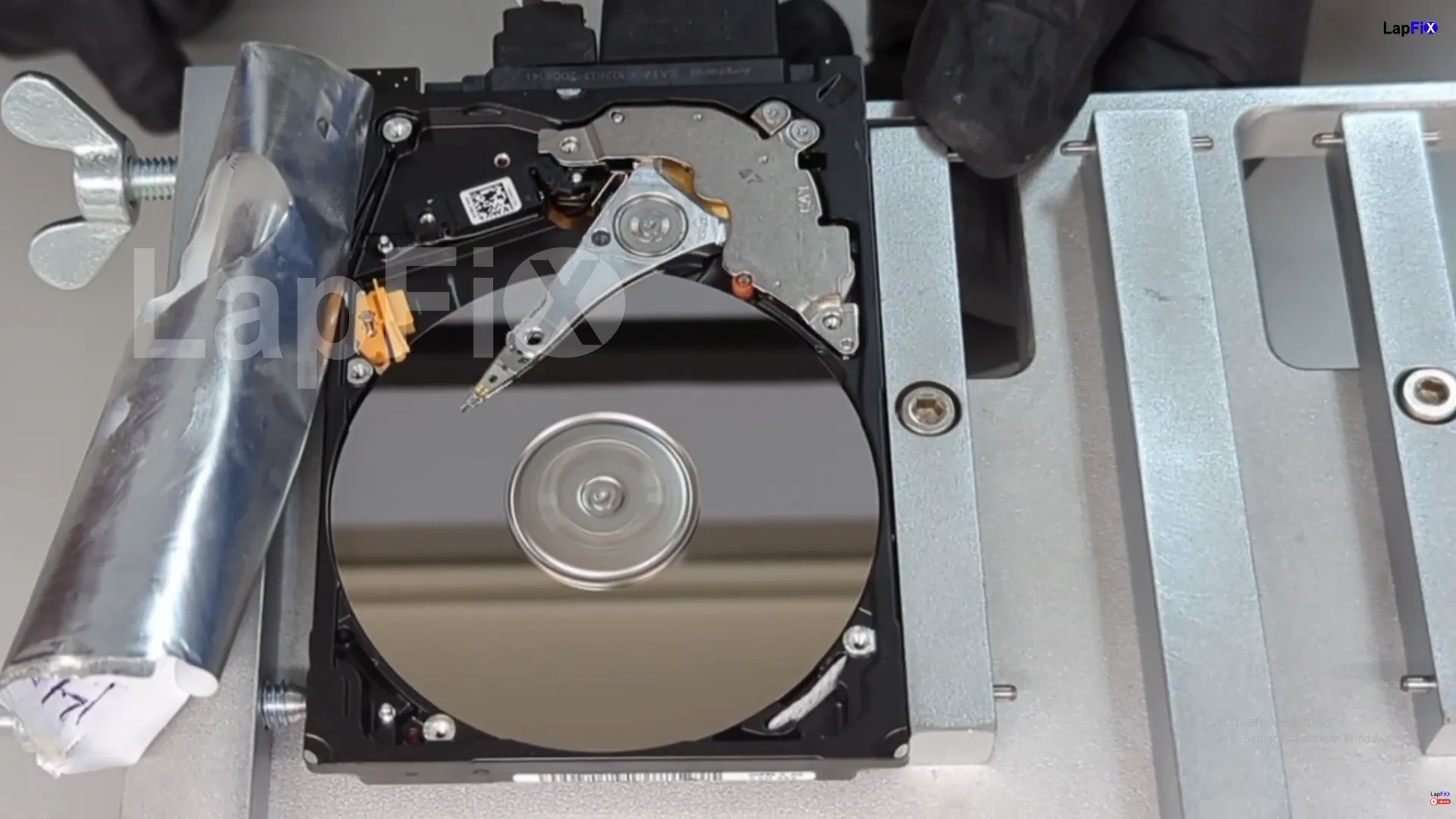
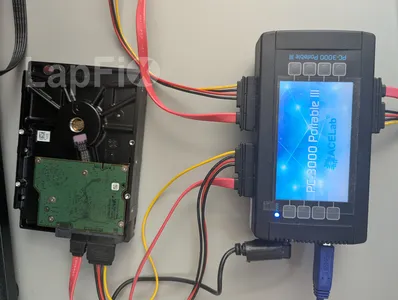
The drive was transferred into our state-of-the-art clean room in Alexandria, Virginia, where our technicians carefully disassembled the drive in a contamination-controlled environment. After sourcing compatible donor components, the damaged read/write heads were replaced and the drive was stabilized long enough to create a sector-by-sector forensic image of the media. Working from the cloned image instead of the original drive allowed us to safely reconstruct the damaged file system and recover the customer’s data without placing additional stress on the failing hardware.
The recovery included business documents, QuickBooks files, Microsoft Office documents, CAD drawings, PDF records, photographs, videos, email archives, and thousands of other files that the customer believed were permanently lost. Once the recovered data was verified, it was transferred to a new encrypted external drive and thoroughly tested before being returned.
Cases like this highlight why professional data recovery is often much more than simply connecting a drive to another computer. Mechanical failures require specialized equipment, extensive experience, and a controlled clean room environment to safely access damaged storage media without causing additional data loss.
At LapFix, we perform advanced data recovery for physically damaged hard drives, SSDs, RAID systems, NAS devices, servers, MacBooks, laptops, desktops, and encrypted storage devices from our advanced recovery laboratory in Alexandria, Virginia. We proudly serve customers throughout Virginia, Maryland, and Washington, DC, while also providing secure nationwide mail-in data recovery services for clients across the United States.
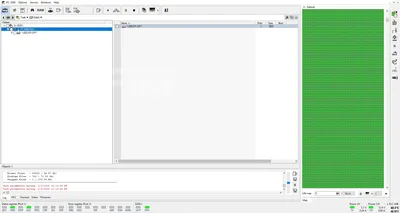
Devices & Storage Media We Recover
At LapFix, we recover data from virtually every type of digital storage device used in personal, business, and enterprise environments. Our engineers regularly recover files from internal hard drives, external hard drives, SATA SSDs, NVMe SSDs, M.2 SSDs, USB flash drives, thumb drives, SD cards, microSD cards, CompactFlash (CF) cards, CFexpress cards, XQD cards, RAID arrays, NAS devices, servers, DVR surveillance drives, gaming consoles, MacBooks, Windows laptops, and desktop computers. Whether your device has suffered accidental deletion, physical damage, firmware corruption, or hardware failure, we use professional recovery techniques to maximize the chances of recovering your valuable data.
At LapFix, we recover data from failed Western Digital (WD), Seagate, Toshiba, HGST, Samsung, Crucial, Kingston, Intel, Micron, SanDisk, SK hynix, Corsair, and many other storage devices. Our engineers regularly recover data from clicking hard drives, failed SSDs, BitLocker-encrypted laptops, damaged Apple devices, RAID arrays, NAS systems, servers, USB flash drives, SD cards, and external hard drives that are no longer recognized by Windows or macOS.
Every recovery starts with identifying exactly what failed and why — that diagnosis is what determines whether the safest path is a firmware repair, a component-level board repair, or a direct read of the storage chip itself. Our priority throughout is recovering your data without introducing additional risk to a device that’s already damaged.
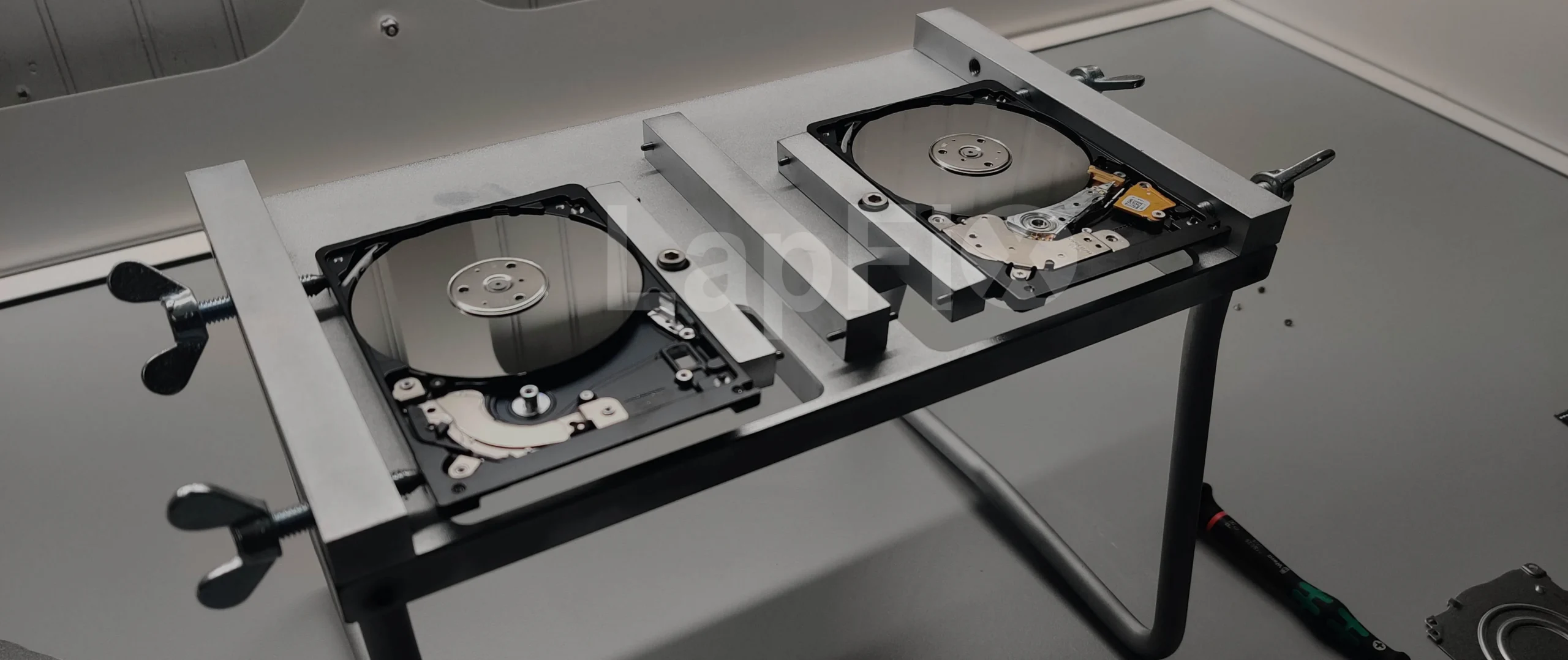
Why Some Data Recovery Cases Are More Complex Than Others
Not all data recovery cases are the same. Recovering files from a traditional hard drive is very different from recovering data from a modern SSD, RAID array, MacBook, or encrypted storage device. As storage technology has evolved, manufacturers have introduced faster interfaces, onboard encryption, proprietary controllers, and smaller components that make recovery far more complex than simply connecting a drive to another computer.
Today’s storage devices may use technologies such as NVMe SSDs, Apple Silicon, BitLocker encryption, RAID arrays, or solid-state flash memory, each requiring a different recovery approach. In many cases, the storage device must first be repaired at the hardware level before any data can be accessed safely. Attempting DIY recovery software or continuing to use a failing device can reduce the chances of a successful recovery and, in some cases, cause permanent data loss.
At LapFix, every device is carefully evaluated to determine the cause of the failure and the safest recovery method. We recover data from hard drives, SSDs, USB flash drives, SD cards, RAID systems, NAS devices, servers, Windows laptops, desktop computers, and Apple devices using professional recovery equipment and advanced diagnostic techniques. Our goal is always the same: recover your data while minimizing additional risk to the storage device.
Why Choose LapFix for Data Recovery?
✅ Advanced Recovery Equipment
Clean Room and Professional-grade recovery tools used to diagnose and recover data from damaged storage devices.
✅ In-House Recovery Services
Your device remains at our Virginia facility throughout the recovery process. We do not outsource or ship any recovery.
✅ Mac & SSD Recovery Expertise
Specialized experience recovering data from modern Apple devices and SSD-based storage systems.
✅ Nationwide Mail-In Service
Secure mail-in recovery available for customers throughout the United States.
✅ Transparent Evaluation Process
Clear communication throughout the recovery process with recommendations provided before recovery work begins.
Over 18 Years of Experience
Advanced SSD & RAID Recovery Capabilities
Thousands of Successful Recovery Cases
Nationwide Mail-in Recovery Service available.
What Our Customers Say About LapFix
From failed SSDs and damaged hard drives to complex Mac and RAID recovery cases, customers trust LapFix for professional service, clear communication, and reliable recovery solutions.





From start to finish, the communication was great, the turnaround time was quick, the customer service and the price was outstanding. They kept me updated along the way and made sure everything was working properly before returning my laptop.
I've been using my MacBook since getting it back, and it's running perfectly. It's clear they genuinely care about their customers and take pride in the quality of their work.
Thank you again, Eric, and the entire LapFix team for getting my laptop back up and running. I'll definitely be recommending you to anyone who needs computer repairs!

I had checked with Best Buy and a few other places, but no one was able to help. I found Lapfix by chance and decided to try one last time. They looked at both laptops, explained what could be done, and successfully repaired both.
The Lenovo screen repair cost less than $300 and was completed in less than a week. For the Microsoft Surface, they also had to work on the software and chip-related issues, and the total was still less than $800. That repair took less than two weeks.
Now both laptops are working perfectly, and I’m very happy with the service. The work was professional, honest, and technically solid. As someone with a background in IT and cybersecurity, I was genuinely impressed.
If you think your laptop cannot be fixed, I recommend checking with them first before spending money on a new one.













I brought it to LapFix and Eric was able to fix the motherboard and repair the BIOS so it could finally boot. I am so unbelievably grateful to Eric and the team at Lapfix for saving this important piece of hardware for my business. Thank you so much!! Eric is a wizard!


Mason completed the work sooner than expected and saved me the considerable replacement cost of a laptop that had become unusable.
I would highly recommend this business. They are professional, provide quick responses to communications, and solved a problem that other repair services I consulted were unable to address.










I like that the guys cracking open machines appear to be the same ones who meet you at the front desk.
Data Recovery FAQ – Common Questions Answered
Can You Recover Data from Smartphones and Tablets?
Yes. We provide data recovery services for iPhones, iPads, Samsung devices, Android phones, and other mobile devices affected by accidental deletion, software corruption, hardware failure, and storage-related issues. Recovery options vary depending on the device model, operating system, and condition of the storage system.
Can You Recover Data from an SSD That Is No Longer Detected?
Yes, in many cases data can be recovered from an SSD that is no longer detected. SSD failures may be caused by controller failure, firmware corruption, damaged electronic components, power surges, or other hardware issues. Unlike traditional hard drives, SSDs require specialized diagnostic equipment and recovery techniques. At LapFix, we recover data from SATA, NVMe, PCIe, M.2, and Apple SSDs, including encrypted and soldered storage found in modern laptops and MacBooks. To maximize the chances of recovery, stop using the SSD as soon as it becomes inaccessible and avoid attempting software-based repairs.
Is My Data Kept Secure and Confidential?
Yes. Protecting your privacy is a top priority. All recovery work is performed in-house at our Alexandria, Virginia laboratory, and your data is never shared with third parties. We handle every recovery with strict confidentiality and professional care to ensure your personal and business information remains secure throughout the recovery process.
Can you recover files from macOS APFS, T2, or M1/M2 devices?
Yes. Apple’s APFS file system, T2 Security Chip, and Apple Silicon (M1/M2) architecture use encryption and storage designs that standard recovery tools can’t read. We use recovery equipment and techniques built specifically for these systems to safely access and recover data from modern Mac storage.
Do you recover data from physically damaged USB or flash drives?
Yes. Physically damaged USB and flash drives are common — broken connectors, corroded pins from liquid exposure, and damaged memory chips all require different repair approaches before any data can be accessed. We evaluate the specific damage first to determine whether the drive can be repaired directly or whether the memory chip needs to be read independently.
Can You Recover Data from a Failed Hard Drive?
yes. We recover data from hard drives experiencing mechanical failure, firmware issues, corruption, accidental formatting, and other types of damage. The recovery process begins with an evaluation to determine the condition of the drive and available recovery options.
Can You Recover Data from an SSD?
Yes. We recover data from SATA SSDs, NVMe SSDs, M.2 drives, and other solid-state storage devices. SSD recovery often requires specialized equipment and advanced recovery techniques due to the way modern SSDs store and manage data.
Can You Recover Data from a MacBook?
Yes. We provide data recovery services for MacBook Air, MacBook Pro, iMac, Mac mini, and other Apple devices. Common recovery cases include liquid damage, SSD failure, logic board failure, macOS corruption, and devices that no longer power on.
Can You Recover Data from a Dead Computer?
In many cases, yes. A computer that will not power on may still contain recoverable data. Our technicians can evaluate the device and determine the safest method to access and recover important files.
Can You Recover Deleted Files?
In some cases, yes. Recovery success depends on how the files were deleted, whether the device has been used since the deletion occurred, and the type of storage device involved. We recommend discontinuing use of the device immediately to maximize recovery potential.
Can You Recover Data from a Liquid-Damaged Device?
Yes. We recover data from laptops, MacBooks, external hard drives, SSDs, smartphones, and other storage devices damaged by water, coffee, soda, or other liquid spills. Liquid exposure can quickly cause corrosion and electrical damage, so the sooner the device is professionally evaluated, the better the chances of a successful recovery. Avoid charging or powering on a liquid-damaged device, as doing so may cause additional damage.
Do You Recover Data from RAID Systems?
Yes. We provide professional RAID data recovery services for RAID 0, RAID 1, RAID 5, RAID 6, RAID 10, NAS devices, and other multi-drive storage systems. Recovery options depend on the type of RAID configuration and failure condition.
Do You Offer Business Data Recovery Services?
Yes. We assist businesses with recovering documents, databases, accounting files, virtual machines, shared storage systems, and other critical business data. We understand the importance of confidentiality and handle recovery cases with professionalism and discretion.
How Long Does Data Recovery Take?
Turnaround times vary depending on the device type, failure condition, and complexity of the recovery. Following an evaluation, we will provide an estimated timeline and available recovery options.
How Much Does Data Recovery Cost?
Every data recovery case is different. Pricing depends on the type of storage device, the cause of the failure, the extent of the damage, and the recovery methods required. After evaluating your device, we will explain the problem, discuss your recovery options, and provide a detailed quote before any recovery work begins.
Can Data Be Recovered After Formatting?
Yes, data can often be recovered after a drive has been formatted, depending on the type of storage device and whether new data has overwritten the original files. We recover data from accidentally formatted hard drives, SSDs, USB flash drives, SD cards, memory cards, and external storage devices. Recovery success depends on factors such as the type of format performed, the file system, TRIM support on SSDs, and whether the device has continued to be used after formatting. If you’ve accidentally formatted a drive, stop using it immediately and have it professionally evaluated to improve the chances of a successful recovery.
Should I Continue Using My Device After Data Loss?
No. Continuing to use a failing storage device can reduce recovery chances and may cause additional data loss. If your files are important, stop using the device immediately and contact a professional recovery service.
Do You Offer Nationwide Mail-In Data Recovery?
Yes. We provide secure nationwide mail-in data recovery for customers throughout the United States. Simply ship your device to our state-of-the-art recovery laboratory in Alexandria, Virginia, where our engineers will perform a professional evaluation. Once the recovery is complete, your recovered data and original device are securely returned to you.
What Happens After the Evaluation?
After completing the evaluation, we will explain the cause of the failure, discuss the available recovery options, provide a detailed recovery quote, and answer any questions you may have. No recovery work is performed until you approve the proposed recovery plan.
Can You Recover Data from an External Hard Drive?
Yes. We recover data from external hard drives affected by accidental drops, clicking noises, slow performance, firmware corruption, accidental formatting, file system corruption, and physical damage. Our engineers recover data from most major brands, including Western Digital, Seagate, Toshiba, LaCie, G-Drive, and many others.
Need Professional Data Recovery?
Whether you’re dealing with a failed SSD, damaged hard drive, RAID array, liquid-damaged MacBook, or another storage failure, every recovery at LapFix begins with a structured evaluation to determine the most appropriate recovery approach. Contact our team or begin your recovery through our nationwide Mail-In Service.